


Cart
1
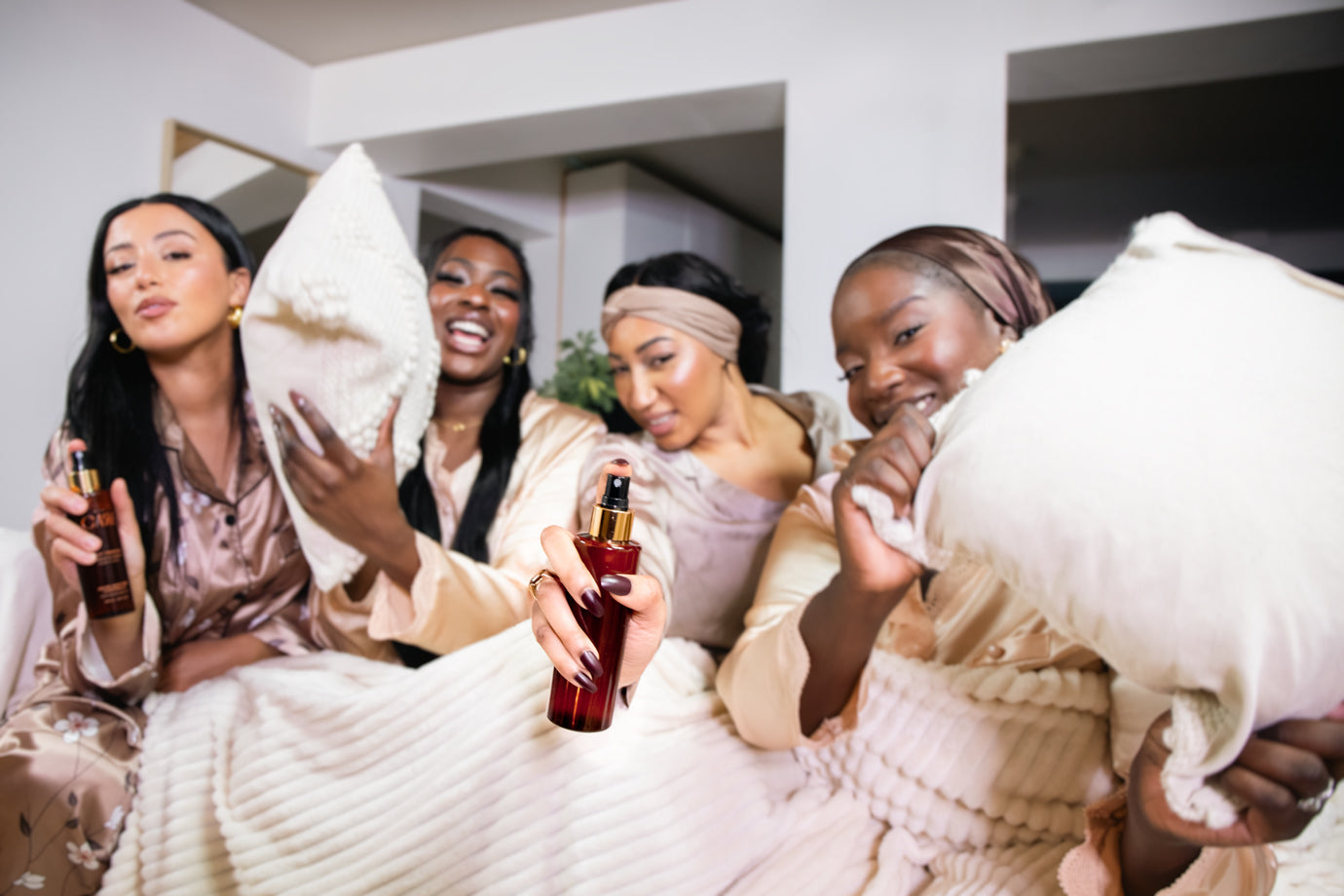

Choosing between body oil vs body lotion depends above all on what your skin needs. These two products don't do the same job, but they can work well together.
To choose well, it helps to first understand what each texture does on the skin. You can then adapt your routine to your skin type, the season and the level of comfort you're looking for.
Body oil vs body lotion: what's the difference?
A body lotion is an emulsion: it combines water and oils, often with humectants such as glycerin, which attract and hold water in the outer layers of the skin. Its fluid texture absorbs quickly and works well for daily use all over the body.
A body oil contains no water. Strictly speaking, it doesn't add hydration: it nourishes, softens and leaves a light film that limits the evaporation of the water already in your skin. That's why it's especially useful on dry skin, or when applied to skin that is still slightly damp.
In short: lotion mainly brings water, oil mainly helps keep it in. Both are useful, for different reasons, and they complement each other very well in the same routine.
Body lotion
It's ideal for:
hydrating the skin
everyday use
normal to slightly dry skin
Body oil
It's recommended for:
nourishing the skin
helping keep dryness at bay
leaving skin feeling more supple
Body oil or lotion for hydration: which one is right for your skin?
Normal to slightly dry skin
A body lotion applied after your shower is often enough to keep skin soft and comfortable. You can save body oil for drier areas, or for times when your skin feels tighter, like in winter.
Dry to very dry skin
Dry skin lacks lipids and holds on to water less well. The most effective duo is a lotion first to hydrate, then a body oil or body butter to limit water loss. On the roughest areas (elbows, knees, heels), a richer butter often feels more comfortable.
Dehydrated skin
Dehydrated skin lacks water, whatever its type. Oil alone can't make up for that: lotion, which brings water and humectants, remains the foundation. If you're not sure which one you have, read our article on the difference between dry and dehydrated skin.
Black and mixed-race skin
On Black and mixed-race skin, dryness often shows up as a grayish or dull, ashy look, especially on the legs, arms and elbows. Pairing a lotion with an oil helps keep skin supple and comfortable all day long. To pick the right lotion, check out our guide to hydrating body lotion for Black skin.
Sensitive or reactive skin
Go for short ingredient lists and patch test any new product on a small area for a few days. If your skin shows red patches, persistent itching, cracks or oozing, it's no longer just a question of texture: see a doctor or a dermatologist.
Can you use both?
Yes. A balanced routine can include:
a body lotion every day
a body oil or body butter as an extra step
In what order should you apply lotion and oil?
The right order goes from the lightest texture to the richest:
after your shower, pat yourself dry without rubbing, and leave your skin slightly damp
apply lotion all over your body and let it absorb for one to two minutes
finish with a few drops of oil, or a body butter on the driest areas
Body oil or lotion depending on the season
In summer, heat and humidity make rich textures less pleasant: a light lotion, with a little oil on dry areas if needed, is often enough. In winter, cold air, indoor heating and hot showers dry the skin out more: that's the time to always pair your lotion with a body oil or body butter.
Mistakes to avoid
relying on oil alone for dehydrated skin: it nourishes, but doesn't bring the water your skin is missing
waiting too long after your shower: skin loses its water quickly
taking very hot, long showers, which weaken the skin barrier
layering too many products: two well-chosen products beat five applied in a rush
To build these steps into your day, discover our complete body care routine for Black and mixed-race skin.
What's inside WITH CARE products
To help you build your routine, here are the key ingredients in our products:
Body lotions: glycerin, lactic acid and grapeseed oil, for daily hydration with a light texture. Lactic acid may tingle on irritated or freshly shaved skin: if so, wait until your skin has calmed down.
Scented body oils: grapeseed oil and vitamin E, to nourish the skin and leave a delicate scent.
Body butters: shea butter and cocoa butter, for very dry skin and rough areas.
Frequently asked questions
Body oil or lotion: which one hydrates the body more?
Lotion is what hydrates, because it brings water and humectants such as glycerin. Oil mainly helps hold that water in the skin. For dry skin, using both together usually gives the best comfort.
When should you apply body oil?
The best time is right after your shower, on slightly damp skin, or right after your body lotion. Evening is also a good time for a more generous application, since the oil has all night to absorb.
Can you put body oil on after lotion?
Yes. Let the lotion absorb for one to two minutes, then massage in a few drops of oil. This step helps limit the evaporation of the water your lotion just provided.
Can body oil replace body lotion?
On normal skin in summer, an oil applied to damp skin can be enough. On dehydrated or very dry skin, however, oil alone doesn't replace the water a lotion provides.
Conclusion
Body oil and body lotion aren't rivals. Used well, together they meet your skin's real needs.
Not sure which combination suits your skin? Write to me for personalized advice.
Written by Aissatou, a nurse for more than 10 years and founder of WITH CARE.


