


Cart
0
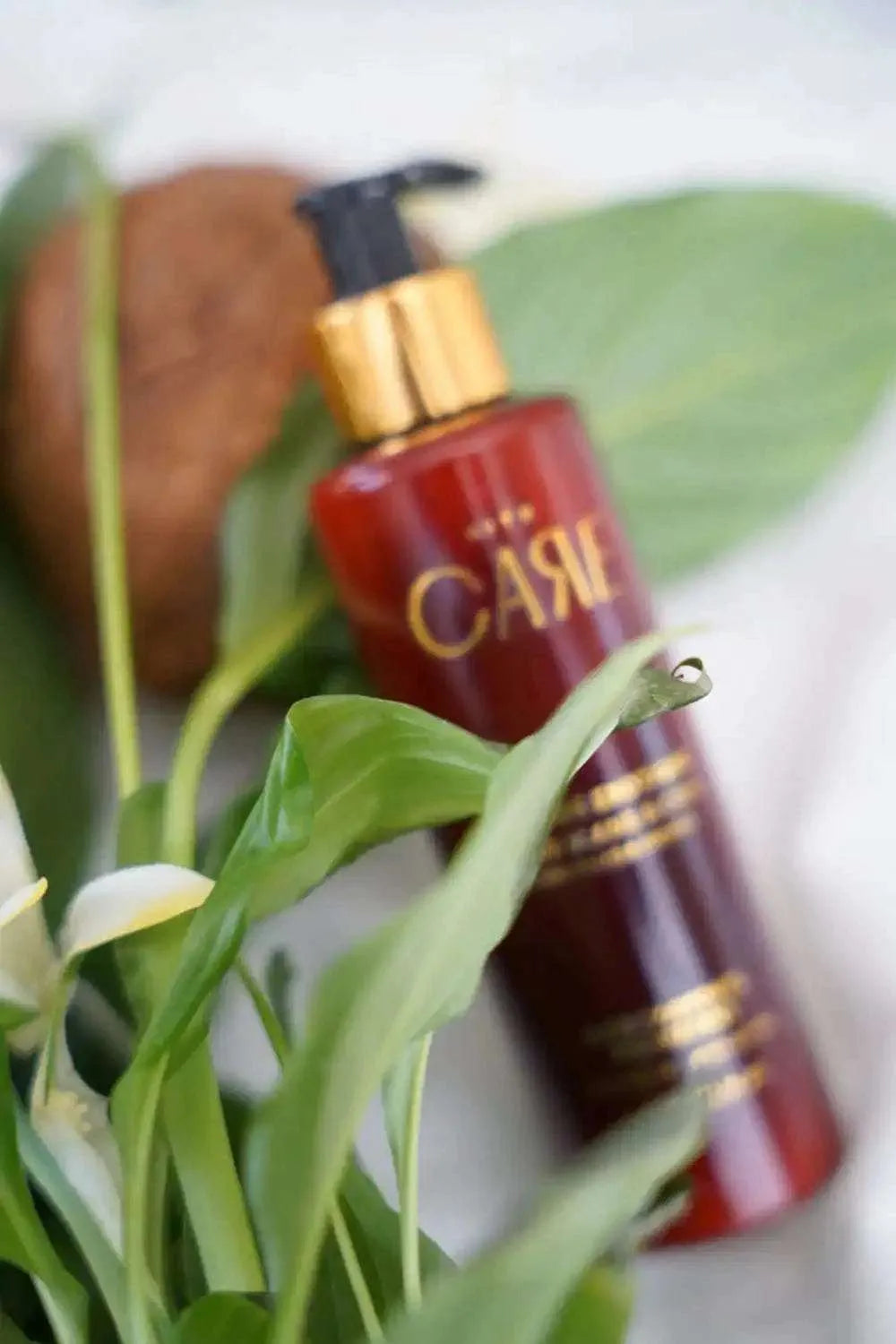

Finding the right body lotion for Black skin matters, because Black and mixed-race skin has specific hydration needs. Yet most body lotions on the market are formulated without taking its particular physiology into account.
The result: dull skin, an ashy look a few hours after applying, a feeling of tightness... and an endless search for the right product.
As a nurse, I created WITH CARE precisely to fill this gap. In this article, I explain how a body lotion works on melanin-rich skin, what to really look for on the label, and how to fit it into an effective body care routine.
Why does Black skin need the right body lotion?
Black skin has its own characteristics. Its melanocytes produce more melanin, some studies describe a more compact outer layer, and research also suggests a tendency to lose more water through the skin (transepidermal water loss), meaning water evaporates from the skin more easily.
Contrary to popular belief, darker skin isn't naturally oilier or better hydrated. It can even be more prone to dryness, especially on areas like elbows, knees, heels and shins.
The effects of poor hydration show up very quickly:
- Ashy skin, that characteristic grayish veil that appears when skin lacks water and lipids
- Skin that feels tight, itchy or slightly flaky
- A dull complexion without radiance
- Uneven texture
A well-formulated body lotion helps reduce these signs by providing both water (hydration) and ingredients that help keep that water from evaporating (nourishment).
Aissatou's tip
Fig & Honey Body Lotion: a lightweight texture that hydrates and helps soften the ashy look, without feeling greasy. €29.90.
Body lotion vs body butter vs body oil: what's the difference?
Before choosing, it helps to understand what a body lotion really does compared with other textures.
Body lotion is a light emulsion of water and oils. It absorbs quickly, hydrates instantly and leaves skin feeling comfortable without a greasy film. It's the ultimate everyday product.
Body butter is richer and more nourishing. It's especially suited to very dry skin or winter. It takes longer to absorb.
Body oil is pure lipids. It helps support the skin barrier and gives an intense glow. It contains no water, so strictly speaking, it doesn't "hydrate."
For Black and mixed-race skin, the best approach is often a combination: body lotion every day, boosted with a body butter or oil depending on the season or the area.
Ingredients to look for in a body lotion for Black skin
It all comes down to the formula. Here's what I check first:
Humectants (they draw water into the skin)
- Hyaluronic acid: captures moisture and holds it in the upper layers of the skin
- Glycerin: an excellent humectant, very well tolerated by sensitive skin
- Aloe vera: hydrating and comforting, great for reactive skin
Emollients (they soften and smooth)
- Grape seed oil: lightweight, absorbs quickly, rich in antioxidants
- Shea butter: deeply nourishing, a classic in care for Black skin
- Jojoba oil: similar to the skin's natural sebum, very well tolerated
Occlusives (they seal in hydration)
- Plant waxes: form a light protective film on the skin's surface
A good body lotion should contain at least one ingredient from each family to be truly effective.
What to avoid
- Denatured alcohol (alcohol denat.) at the top of the list: it's drying
- Heavily fragranced formulas: fragrance is a common cause of irritation in sensitive skin, and on Black skin irritation can lead to post-inflammatory hyperpigmentation
- Silicone-heavy formulas: they feel soft right away but don't bring real hydrating ingredients on their own
At WITH CARE, our body lotions are made with ingredients chosen for their comfort on melanin-rich skin. If your skin is very sensitive, patch test any scented product first.
How to use a body lotion for the best results
The formula matters, but so does how you apply it. Here are the habits that really make a difference.
The ideal moment: right after your shower
Your skin is still slightly damp after showering. It's the best time to apply body lotion: the ingredients absorb better, and the moisturizing film forms on skin that's already rehydrated on the surface.
How to: pat your skin dry (don't rub) with a soft towel, then apply the lotion within two to three minutes.
How often
Use body lotion daily, ideally morning and evening if your skin is very dry. For normally hydrated skin, one application in the evening after your shower is enough.
Areas not to skip
Some areas tend to get drier on Black skin: elbows, knees, heels, shins and hands. Focus on these areas with circular motions.
Pair it with a scrub for even better results
A gentle scrub once or twice a week removes dead skin cells and helps your body lotion absorb better. On Black skin, this step is especially important to prevent the buildup of dull cells behind the ashy look.
WITH CARE body lotions: made for Black & mixed-race skin
Our body lotions were developed with special attention to the needs of melanin-rich skin. Each formula combines:
- Hyaluronic acid for instant, long-lasting hydration
- Grape seed oil to nourish without weighing skin down
- Shea butter to help support the skin barrier
- Signature fragrances inspired by natural ingredients
They come in four scents:
- Ylang-Ylang & Coconut: soft, floral and exotic
- Mango & Papaya: bright, light and tropical
- Fig & Honey: warm, gourmand and enveloping
- Oud & Patchouli: deep, woody and sensual
Each lotion turns your daily routine into a true sensory ritual.
A complete body care routine built around your body lotion
For visible, lasting results, body lotion fits into a three-step routine:
1. Exfoliate: a sugar body scrub once or twice a week to remove dead skin cells and prep your skin for what comes next.
2. Hydrate: body lotion every day, applied to slightly damp skin after your shower.
3. Nourish (as needed): body butter or scented body oil as a boost on dry areas, in winter, or for a more intense glow.
This three-step routine is at the heart of all our body care gift sets, designed to simplify your routine while getting the most out of every step.
How long before you see results?
You can feel the hydration from the very first application: skin feels softer, more comfortable and looks more radiant.
But the real changes (a much less ashy look, evenly hydrated-feeling skin, a satiny touch) show after two to four weeks of regular use.
As always with skin: consistency is key.
Body lotion FAQ
Can you use body lotion on your face? It's not recommended. Facial skin is thinner and more sensitive. It needs specific, lighter formulas without potentially pore-clogging ingredients.
Body lotion or body cream: what's the difference? A cream is generally thicker than a lotion, with a higher oil content. A lotion is more fluid, spreads easily over large areas and suits everyday use. A cream is more of a night or targeted-area product.
Can you use body lotion on children? It's better to use formulas specifically developed for children's more sensitive skin. Ask your pediatrician or a healthcare professional if in doubt.
Can a body lotion reduce dark spots? A regular body lotion doesn't fade dark spots. However, well-moisturized skin is less prone to dryness-related irritation, which on Black skin can lead to post-inflammatory hyperpigmentation. For existing spots, read our article on hyperpigmentation on Black skin and see a dermatologist.
Conclusion
The right body lotion is one of the most impactful products for Black and mixed-race skin. It helps reduce the ashy look, nourishes the skin barrier and brings out your skin's natural glow, as long as you choose a formula designed for what this skin really needs.
At WITH CARE, we create every product from this belief: melanin-rich skin deserves products designed for it, not generic formulas adapted as an afterthought.
Discover our range of body lotions and find your signature scent.
Your complete routine
Essential Ritual: a sugar body scrub, body lotion and body butter in the same scent, to exfoliate, hydrate and nourish. €94.90, free shipping within our delivery area.
Written by Aissatou, a nurse for more than 10 years and founder of WITH CARE.


