Cart
0
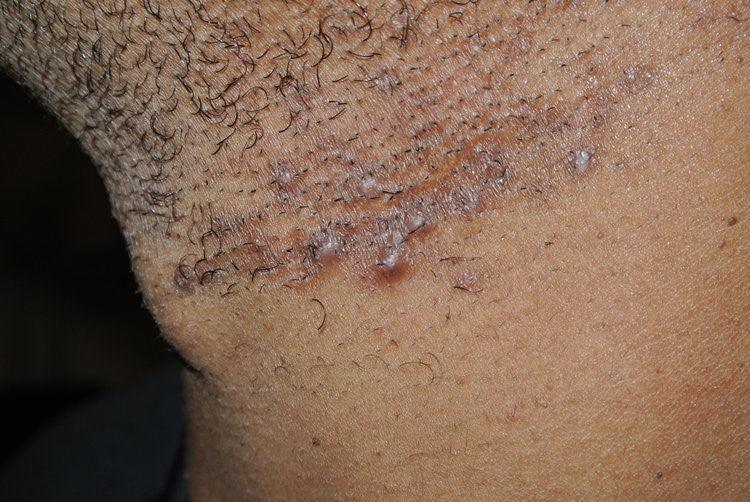
Ingrown hairs on Black skin are very common, and they're just as frequent on mixed-race skin. They show up after shaving, waxing, friction or inflammation of the hair follicle.
The result: bumps under the skin, rough patches, sometimes dark marks and, in some cases, persistent folliculitis.
The question I hear most often is: What causes ingrown hairs on Black skin?
To answer it, you need to understand how the hair is shaped, how sensitive Black skin can be, and which everyday habits make the problem worse.

Why are ingrown hairs more common on Black skin?
The main reason comes down to the natural shape of the hair.
Naturally curly or curved hair
People with Black skin often have hair that is:
thicker
curlier
more curved
tightly coiled
As it grows back, the hair doesn't always come straight out of the skin: it curls back and can grow into the skin, which creates an ingrown hair.
Skin that is more prone to inflammation
Black skin tends to react strongly to:
irritation
tiny nicks from shaving
friction
harsh products
This inflammation can trigger excess melanin production, which is why post-inflammatory hyperpigmentation (dark marks) often appears after an ingrown hair.
A sometimes thicker skin texture
Some Black skin has a denser outer layer (stratum corneum), which can make it harder for the hair to break through the surface as it grows back.
Shaving too often
Shaving cuts the hair cleanly, often at an angle, which makes it even more likely to curl back under the skin.
The areas most affected by ingrown hairs on Black skin
Legs
Bikini line
Underarms
Beard/chin area (for men)
Thighs
Buttocks
Bra line
Any area that is shaved or exposed to friction is vulnerable.
How to recognize an ingrown hair
Common signs include:
a pimple or bump under the skin
a dark dot or hair visible under the skin
a hard or rough area
pain or tenderness
redness
dark marks once the bump has gone
a risk of folliculitis if it becomes infected
On Black skin, an ingrown hair very often leaves long-lasting hyperpigmentation if you pick at it.

Common causes of ingrown hairs on Black skin
Dry shaving or shaving too often: the razor creates tiny cuts and increases the risk.
Incorrect waxing (wax that's too hot, sharp pulls): hairs that break instead of being pulled out from the root can grow back under the skin.
Friction: tight clothing, synthetic underwear, bike shorts that rub.
Dead skin cell buildup: it blocks the hair's way out and creates a "barrier" that forces it to curl back.
Not exfoliating: skin that isn't exfoliated makes it easier for hairs to get trapped.
Not enough moisture: dry skin is less supple, which makes it harder for the hair to come through.
Picking at bumps: touching, scratching or squeezing worsens inflammation and leaves dark marks.
How to help prevent ingrown hairs on Black skin
Prevention comes down to three essential habits: exfoliate, moisturize, shave the right way.
Regular exfoliation
It removes the dead skin cells that block the hair's way out.
The best exfoliants for Black skin:
sugar body scrubs
gentle AHAs (lactic acid)
BHAs (salicylic acid)
enzyme exfoliants
How often: once or twice a week.
Generous moisturizing
Supple skin makes it easier for the hair to come through the surface.
Look for:
plant oils (sweet almond, jojoba, grape seed)
body butters (shea, cocoa)
glycerin-rich moisturizers
Gentle shaving and the right technique
always use a shaving gel or cream
never dry shave
shave in the direction of hair growth
don't go over the same spot several times
change your blade regularly
The right clothing
Choose cotton underwear and avoid clothes that are too tight.
Never pick at an ingrown hair
Picking can lead to inflammation, infection and hyperpigmentation.
How to care for existing ingrown hairs on Black skin
When ingrown hairs are already there:
Use a gentle exfoliant
AHAs/BHAs help clear the surface of the skin so the hair can come out.
Use a calming skincare product
Ingredients such as niacinamide, aloe vera or calendula are often used to help calm the look of irritated skin.
Ask about products for dark marks
To help limit hyperpigmentation and the look of existing marks, ingredients such as these are commonly recommended (ideally with advice from a dermatologist or pharmacist):
azelaic acid
vitamin C
niacinamide
kojic acid
Moisturize the area every day
A product rich in lipids and humectants helps keep skin supple and comfortable.
For severe or chronic cases
Multiple, painful or infected ingrown hairs: → see a dermatologist. Medical treatment may be needed (topical antibiotics, stronger BHA lotions, laser hair removal).
Mistakes that make ingrown hairs worse
shaving against the direction of hair growth
using a dull blade
scrubbing your skin aggressively
exfoliating too often
digging the hair out with a needle
squeezing the bump
damaging the skin while searching for the hair
using irritating deodorants after shaving
shaving every day
On Black skin, inflammation very often leads to dark marks.

How long before you see an improvement?
1 week: hairs come through more easily
2 to 4 weeks: fewer bumps, less discomfort
1 to 3 months: dark marks gradually become less visible
3 to 6 months: skin looks more even
These timelines vary from person to person. Consistency is key.
The bottom line
Ingrown hairs are common on Black skin for a simple reason: the curly structure of the hair combined with skin that is prone to inflammation. But with the right routine (regular exfoliation, generous moisturizing, gentle shaving techniques and calming care), you can greatly reduce how often they happen and care for them effectively. If they're painful, infected or keep coming back, see a dermatologist.
Smooth, comfortable, even-looking skin is within reach once you adopt the right habits, without being harsh on your skin and while respecting its natural rhythm.
Written by Aissatou, a nurse for more than 10 years and founder of WITH CARE.