


Cart
0
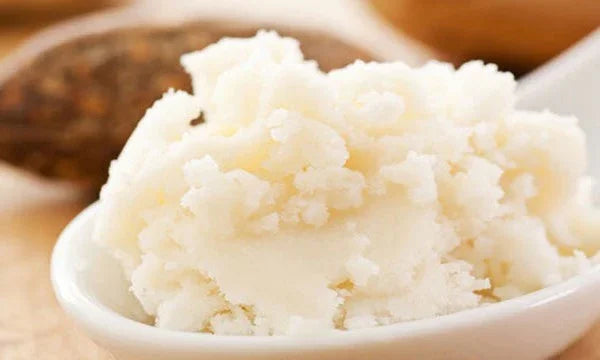

For centuries, shea butter has been treasured as a go-to ingredient for skin and hair. Still, more and more people are wondering: is shea butter dangerous? Between rumors, bad experiences and confusion about quality, the topic deserves a clear answer.
At WITH CARE, we believe transparency and knowledge are the best ways to take care of yourself, with confidence, gentleness and responsibility.
Shea butter: a natural treasure with many benefits
Where does shea butter come from?
Shea butter is extracted from the nuts of a West African tree, Vitellaria paradoxa. Rich in fatty acids and naturally containing vitamins A and E, it helps nourish skin, supports its natural barrier and protects it from drying out.
Its benefits for skin and hair
Nourishment: it helps limit moisture loss and supports the skin barrier.
Comfort: it helps ease the feeling of tightness and dryness.
Protection: it helps shield skin from cold, wind and moisture loss.
Suppleness: it leaves skin feeling softer and hair looking glossier.
These qualities explain why shea butter is at the heart of WITH CARE body butters, made with shea butter and cocoa butter for dry, sensitive skin. To learn more, see how to use body butter on Black and mixed-race skin.

The potential risks of shea butter
Allergic reactions: rare, but possible
Although it is very gentle, shea butter can, in rare cases, cause skin reactions such as redness, itching or tingling. These reactions are usually linked to individual sensitivity or to impurities in the product. Shea comes from a tree nut: if you have a known tree-nut allergy, ask your doctor or allergist before using it.
Tip: always patch test on a small area before applying it all over your body, especially if you have reactive skin.
Warning signs: if redness spreads, your skin swells or oozes, or you have trouble breathing or swallowing, rinse the area, stop using the product and see a doctor right away (call emergency services if you have trouble breathing).
Quality and purity: the real risk factor
The real risk with shea butter doesn't come from the ingredient itself, but from its quality.
Poorly filtered, oxidized or contaminated shea butter can become irritating. That's why good traceability and simple formulas matter.
At WITH CARE, we pay close attention to the quality of the shea butter we use, so our body butters are as comfortable as possible for sensitive skin.
Rancid shea butter: how to tell
Like all fats, shea butter eventually oxidizes. Rancid butter has a strong, sour or "old oil" smell, a color that has clearly darkened, or a texture that has turned grainy and sticky. If so, stop using it: oxidized fats can irritate the skin. Follow the date on the packaging and close the jar tightly after each use.
Common mistakes to avoid
Some habits can increase the risk:
Applying expired or poorly stored butter
Using too much on oily skin
Using products made with unstabilized shea butter
These habits can clog pores or throw your skin off balance.
The secret? Balance and moderation.
Shea butter on your face: is it dangerous?
Shea butter isn't dangerous for your face, but it doesn't suit every skin type. It's a rich texture that forms a protective film on the surface of the skin.
Dry or dehydrated skin: a very small amount, warmed between your fingers, can be applied to areas that feel tight (cheeks, around the mouth), ideally in the evening.
Oily or acne-prone skin: it's best to avoid it on your face. On Black or mixed-race skin, every breakout can leave a lasting dark mark, so there's no need to take that risk. You can also read our article on acne marks on Black skin.
Eye area: avoid thick layers on this very thin skin.
If breakouts, redness or tiny white bumps appear after a few days of use, stop and let your skin rest.
How to use shea butter safely
Choose safe, quality-controlled formulas
Look for brands that are transparent about their ingredients and committed to gentle formulas, like WITH CARE.
Our body butters don't just contain shea butter: they pair it with cocoa butter for a rich, comforting texture.
Store your body butter properly
Shea butter is sensitive to heat and light.
👉 Keep it in a dry place, away from direct sunlight, to preserve its texture and qualities. A well-stored product won't go rancid and keeps performing as it should.
Adapt your routine to your skin type
Dry to very dry skin: daily use is fine.
Combination to oily skin: apply 2 to 3 times a week.
Sensitive skin: patch test first.
Adapting your routine is the key to a safe and enjoyable experience. For very dry skin, body butter works best on slightly damp skin right after a shower, or layered over a body lotion: here's why pairing body lotion and body butter makes sense. Can't decide between textures? Read body butter or body oil: which to choose.

The WITH CARE approach: safety, transparency and gentleness
Carefully selected shea butter
We choose our shea butter with care, paying attention to its purity, stability and origin.
Formulas designed for sensitive skin
We formulate with dry, sensitive skin in mind and keep our ingredient lists short and transparent: shea butter and cocoa butter for our body butters, with no silicones or parabens.
The result: a melt-in texture and skin that feels truly nourished, never smothered.
A caring ritual for every skin
WITH CARE products are about more than a pleasant feel: they reflect a philosophy of gentleness and respect. Every application becomes a mindful moment of well-being.
FAQ: Is shea butter dangerous?
Does shea butter clog pores?
Generally not, when it is pure and applied in reasonable amounts: it is considered low-comedogenic. On oily or acne-prone skin, however, such a rich texture can encourage breakouts, especially on the face.
Can I use shea butter on my face?
Yes, ideally on dry or sensitive areas. Avoid it if your skin is very oily or acne-prone.
Can I put shea butter on my face overnight?
Yes, if your skin is dry: a pea-sized amount, well warmed between your fingers, as the last step of your evening routine is enough. Avoid thick layers around the eyes and stop if breakouts appear.
Is shea butter safe during pregnancy?
Yes: shea butter is generally well tolerated during pregnancy and helps keep skin supple and nourished. Ideally choose products without essential oils, and check with your doctor or midwife if you have any doubts.
How can I tell if my shea butter is good quality?
Good shea butter has a mild, natural smell, a smooth, even texture, and keeps well at room temperature.
Can shea butter cause allergies?
Rarely. If your skin is very reactive or you have a tree-nut allergy, patch test before the first use and ask your doctor if in doubt.
Is shea butter bad for your hair?
No. It nourishes dry lengths and coily or curly hair. Used in large amounts, it can only weigh down fine hair or make the scalp greasy: use a little, mostly on the ends.
Is shea butter suitable for children?
Pure shea butter is generally well tolerated on children's delicate skin. For babies and young children, choose fragrance-free products and ask your pediatrician for advice.
Conclusion: shea butter is a skin ally, as long as you choose it well
Shea butter isn't dangerous; it simply needs to be well chosen and used properly. That way, every application becomes a gesture of trust, a moment of kindness and a promise kept: taking care of yourself, with care. To see exactly when to use it, check out my body care routine for Black and mixed-race skin.
Not sure if shea butter is right for your skin? Write to me for personalized advice.
Written by Aissatou, a nurse for more than 10 years and founder of WITH CARE.


