


Cart
0
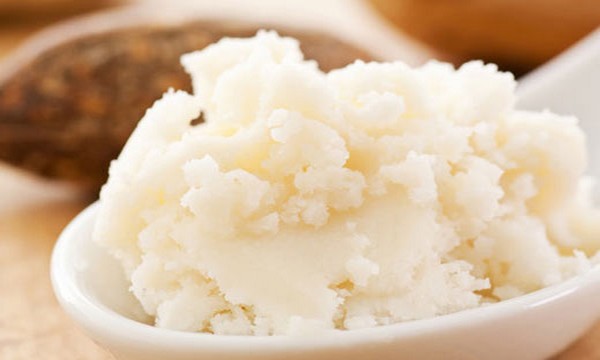
Rich, melting, sometimes dismissed as "too greasy"... body butter for Black skin divides opinion. Yet on Black and mixed-race skin, it's often the product that makes the difference between skin that feels tight by the end of the day and skin that feels supple, comfortable and glowing. As a nurse, I'll explain why, and above all how to use it to get the most out of it without a greasy feel.
What is body butter?
Body butter is an anhydrous product, meaning it contains no water. It's made mainly of plant butters (shea, cocoa, mango...) and sometimes oils. It's solid at room temperature and melts on contact with your skin. Its job: to nourish and protect by reinforcing the lipid film that keeps water from evaporating.
Why Black and mixed-race skin really needs it
- Very visible dryness: on darker skin, flakes and dehydration show up right away as a grayish, "ashy" look, especially on legs, elbows and knees.
- A barrier that loses water easily: several studies suggest Black skin may lose more water and have fewer ceramides. In practice, many people with Black skin feel dry despite applying lotion every day.
- Areas that thicken and darken: elbows, knees, heels. Well-nourished skin experiences less friction and is less likely to thicken.
- Eczema-prone skin is common: between flare-ups, a rich moisturizer helps keep the skin barrier in good shape.
Butter, lotion, cream or oil: what's the difference?
- Lotion: high in water, it hydrates. Light texture, ideal for everyday use.
- Cream: in between, richer than a lotion.
- Oil: it nourishes and adds shine, with a fluid texture.
- Butter: the richest. It nourishes and seals in hydration.
The right habit for dry Black skin: hydrate first, then nourish. Lotion brings water; butter keeps it from escaping. I go into these differences in body butter, cream or lotion: which to choose.
How to use body butter without a greasy feel
- After your shower, on slightly damp skin, or right after your body lotion.
- Scoop out a small amount and melt it between your palms.
- Massage with slow, upward strokes, without trying to cover your whole body with lots of product.
- Focus on areas that feel tight: shins, elbows, knees, heels, backs of hands.
- Let it absorb for 5 minutes before getting dressed.
The secret to avoiding a greasy feel: a little product on damp skin. Butter applied generously on dry skin just sits on the surface.
When to use it
- In the evening: the best time, as skin goes through its natural overnight renewal.
- In winter: cold, wind and indoor heating dry out skin, so body butter becomes essential.
- Year-round on dry areas: elbows, knees and heels need it even in summer.
- After a scrub: your skin is ready to take in nourishing ingredients.
Body butter for very dry areas: my targeted ritual
For rough, dark elbows, knees or heels: once or twice a week, use a gentle sugar scrub, then apply a layer of butter every evening. For heels, slip on cotton socks afterward: the "overnight mask" effect works really well. The rough, ashy look often improves once skin is no longer dry and thickened. If dark areas persist, read my guide to dark spots on Black skin and talk to a dermatologist.
Mistakes to avoid
- Applying butter to completely dry skin: it doesn't absorb well.
- Using too much: that's what causes the greasy feel.
- Using it alone on dehydrated skin: you also need to bring in water (lotion, mist, damp skin).
- Applying it to your face or an acne-prone back: very rich textures can encourage breakouts there.
FAQ
Is body butter suitable for eczema-prone skin?
Between flare-ups, yes: it helps protect the skin barrier. Choose a short ingredient list and patch test first. During an eczema flare-up, follow your doctor's advice.
Body butter or pure shea butter?
Pure shea butter is very nourishing but harder to spread. A formulated body butter blends several butters and oils for a more melting texture. To learn all about shea, read the benefits of shea butter.
Can you use body butter every day?
Yes, especially on dry skin and in winter. In summer, save it for dry areas or the evening.
Does body butter clog pores?
Rarely, on most of the body. On breakout-prone areas (back, chest), choose a lotion or a light oil instead.
In short
On Black and mixed-race skin, body butter seals in hydration and helps reduce the ashy look. Hydrate first, then nourish; use a little product on damp skin, ideally in the evening. Discover our body butters and every step of our body care routine for Black and mixed-race skin.
Written by Aissatou, a nurse for more than 10 years and founder of WITH CARE.


