Cart
0
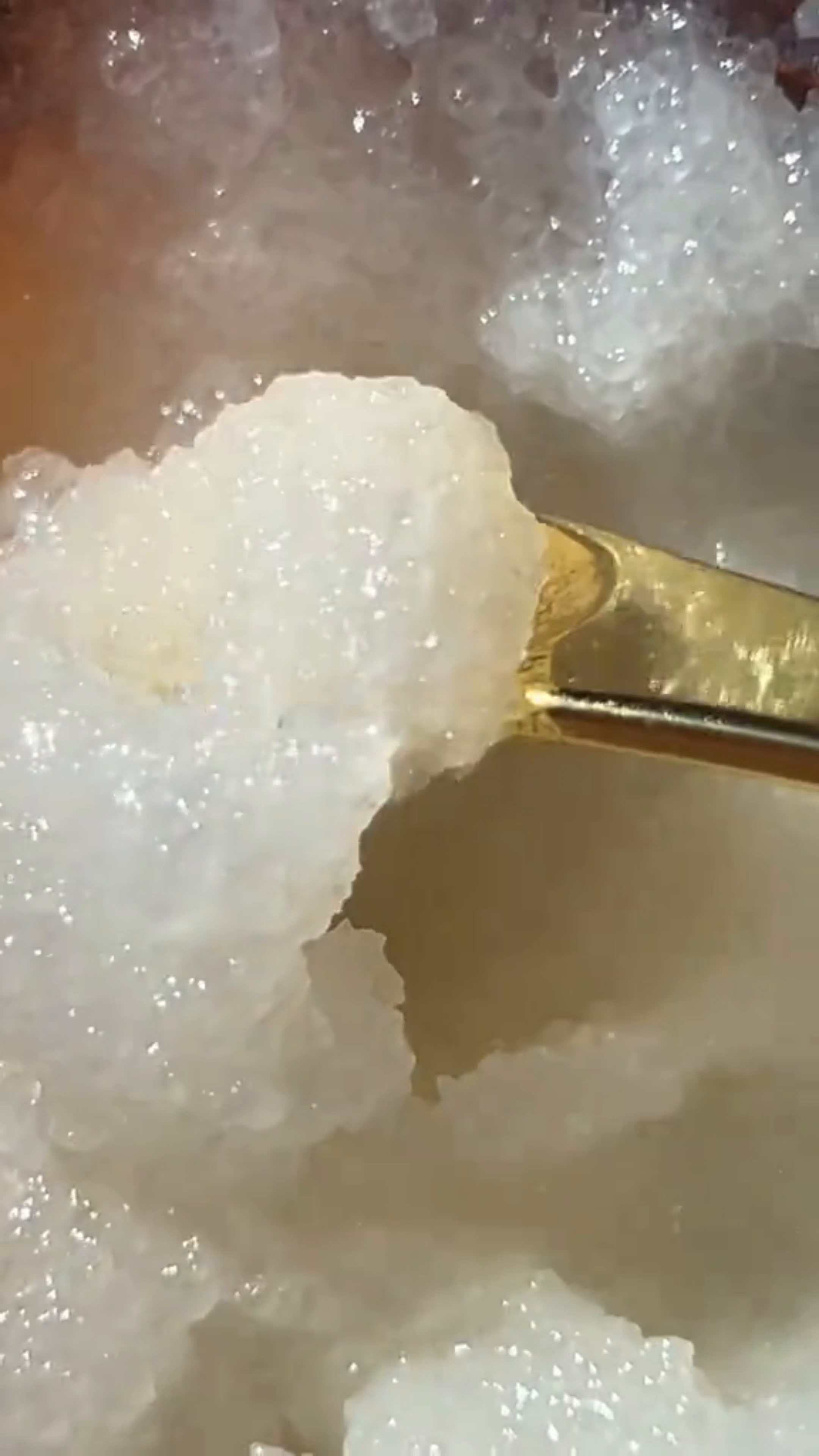

A DIY face scrub is often seen as a natural alternative to store-bought skincare. Easy to make, budget-friendly and customizable, it gently exfoliates your skin… as long as you follow a few rules.
Your face is a sensitive area. The wrong kind of exfoliation can cause redness, discomfort or throw your skin off balance. This article shows you how to make an effective homemade face scrub without being harsh on your skin.
What does a DIY face scrub do?
A face scrub removes the dead skin cells on the surface of your skin. Done right, it helps:
smooth skin texture
revive a radiant-looking complexion
help your skincare absorb better
limit the buildup of impurities
Exfoliating your face at home should stay occasional and gentle.
Is a homemade scrub suitable for your face?
Yes, but only under certain conditions.
Unlike the body, the skin on your face is thinner and more reactive. Not all natural ingredients are suited to this area. Some grains that are too abrasive can cause tiny irritations that you can't see but that add up over time.
A natural face scrub should use fine textures and very gentle movements.
A gentle DIY face scrub recipe
Honey and almond flour DIY face scrub
Ingredients:
1 tablespoon of honey
1 teaspoon of very fine almond flour
How to make it:
Mix the ingredients until smooth.
How to use it:
Apply to a damp face
Massage gently for 30 seconds
Rinse with lukewarm water
This recipe suits normal to dry skin. Skip it if you have a nut allergy, and do a patch test first.
Another option: grain-free face exfoliation at home
For sensitive skin, it's better to choose a gentler type of exfoliation.
Yogurt and honey mask
Yogurt contains mild acids that help remove dead skin cells without rubbing.
Apply the mixture to your face
Leave on for 5 to 10 minutes
Rinse gently
It's a good alternative to a classic DIY face scrub.

The right habits for a successful DIY face scrub
always apply to clean skin
massage without pressing
avoid the eye area
keep the massage short
rinse thoroughly
A DIY face scrub should never cause a burning sensation or lasting tingling. If it does, rinse it off right away.
How often should you use a DIY face scrub?
It depends on your skin type:
normal skin: once a week
dry or sensitive skin: once every two weeks
reactive skin: only occasionally
Exfoliating too often weakens the skin barrier.
Mistakes to avoid with a DIY face scrub
Some mistakes are very common:
using sugar or salt (too abrasive)
scrubbing too hard
exfoliating irritated or broken skin
trying too many different recipes
Keeping it simple and consistent is better than overdoing it.
After your scrub: the essential step
After a DIY face scrub, your skin is more receptive. It's essential to apply:
a moisturizer suited to your face (and for your body, a moisturizing body lotion)
a calming skincare product
sunscreen if you'll be in the sun
This step helps keep your skin comfortable and balanced.
DIY face scrub or a formulated product?
A homemade face scrub can be a nice occasional treat.
However, formulated products offer:
more consistent results
precise dosing
tested tolerance
Both can have a place in a well-thought-out facial care routine.
The bottom line: exfoliate your face at home, gently
A DIY face scrub is a simple way to exfoliate your skin naturally, as long as you use the right ingredients and the right techniques. Your face doesn't need harsh treatment to look radiant.
Choosing gentleness, listening to your skin and spacing out exfoliation is how you get visible, lasting results.
FAQ: DIY face scrub
Does a DIY face scrub work?
Yes, if it's done properly and used in moderation.
Can you use sugar in a DIY face scrub?
No, sugar is too abrasive for the skin on your face.
Should you moisturize after a DIY face scrub?
Yes, moisturizing is essential after any exfoliation.
Is this kind of scrub suitable for sensitive skin?
Yes, as long as you choose grain-free recipes and space out applications.
Written by Aissatou, a nurse for more than 10 years and founder of WITH CARE.